
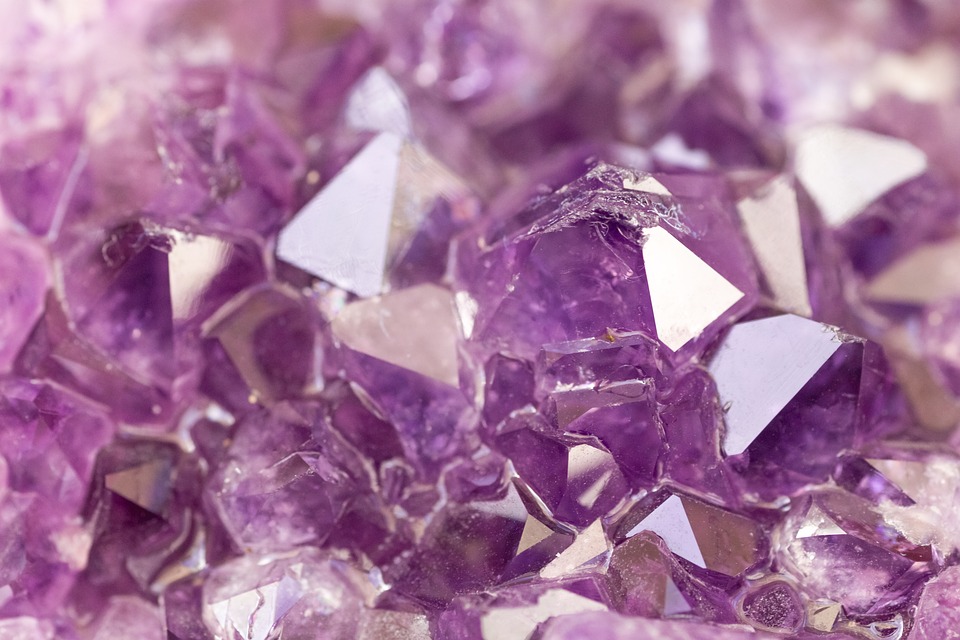
What Does Purple Mean?
Purple is a color that symbolizes royalty, spirituality, mystery, and imagination.
The color purple is not ubiquitous and, as a result, is often seen as a color with a sacred meaning.
It is why flowers like orchids, lavender, lilac, and violet are considered precious, regal, and delicate.
Light purple, a.k.a lavender, is a feminine, gentle, and graceful color that has always been associated with refined, classy, wealthy women.
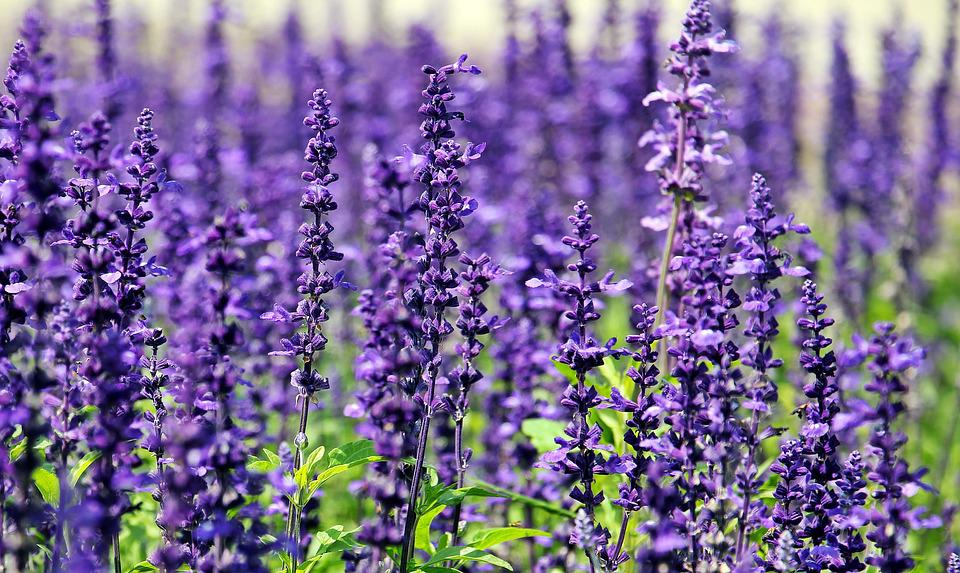
While purple represents royalty, lavender demonstrates beauty and femininity. Lavender is said to be the “grown-up” pink.
On the emotion wheel, too much purple can demonstrate irritability, arrogance, and impatience. Too little of it elicit feelings of powerlessness, apathy, and negativity.
Because purple is created by combining a strong warm with a strong cool color, the color retains both warm and cool properties.
On the one hand, the color purple can enhance imagination and creativity. On the other, too much purple can provoke moodiness.
Throughout history, purple robes have been worn by royalty and people of authority.
The US Military awards the Purple Heart to soldiers wounded in battle for their bravery and sacrifice. In Thailand, purple is the color of choice for mourning widows.
In this piece, we’ll be profiling the color purple and finding out what two colors make purple.
What Two Colors Make Purple?
Purple is created when blue and red are mixed. It doesn’t matter what you’re using, whether paint or food coloring, or something else; the process stays the same.
Scientific Hex Table for Different Shades of Purple
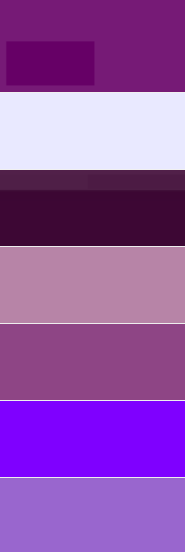
| Type of Purple | Hex Number | % Red, Green, Blue | % Cyan, Magenta, Yellow, Black | |
| Pure Purple | #660066 | 50% R, 50% B | 68% C, 100% M, 26% Y, 18% K | |
| Lavender | #e6e6ff | 50% R, 50% Blue | 8% C, 8% M, 0% Y, 0% K | |
| Aubergine | #3d0734 | 51% R, 43% B, 6% Black | 76% C, 95% M, 45% Y, 58% K | |
| Mauve | #b784a7 | 38% R, 35% B, 27% G | 29% C, 54% M, 14% Y, 0% K | |
| Plum | #8e4585 | 41% R, 39% B, 20% G | 50% C, 86% M, 17% Y, 2% K | |
| Violet | #7f00ff | 33% R, 67% B | 69% C, 79% M, 0% Y, 0% K | |
| Amethyst | #9966ce | 34% R, 44% B, 22% G | 49% C, 67% M, 0% Y, 0% K |
Check out the video down below to learn more about mixing purple
Conclusion
I hope this article was instructive. Was it helpful? Share your comments below. We’d love to hear from you.